
Weekender
History Weekend-100 Years of Swinging at the Savoy
No ratings yet- Styles
Follow festival
0 followers

Description
The Savoy Ballroom in Harlem, New York, first opened its doors in 1926. It soon became the epicenter for the development of swing music and swing dance. Generations of famous dancers and musicians were shaped here—in the World’s Finest Ballroom—and in turn helped shape what we know today as Lindy Hop, among other styles. The club’s no-discrimination policy made it possible, above all, for aspiring Black talents to perform on the famous two-part stage, thereby enriching jazz music and driving its creative evolution.
We now want to explore these origins of Lindy Hop over a weekend in Magdeburg and trace the dance’s development. The founders of Swingopedia, Joseph and Charlotte, will accompany us on this journey—both in the context of dance workshops and in evening lectures and discussion sessions. Using film footage from the early days as well as interviews with the Elders, we will embark on a journey through 100 years of Lindy Hop.
We now want to explore these origins of Lindy Hop over a weekend in Magdeburg and trace the dance’s development. The founders of Swingopedia, Joseph and Charlotte, will accompany us on this journey—both in the context of dance workshops and in evening lectures and discussion sessions. Using film footage from the early days as well as interviews with the Elders, we will embark on a journey through 100 years of Lindy Hop.
About the city
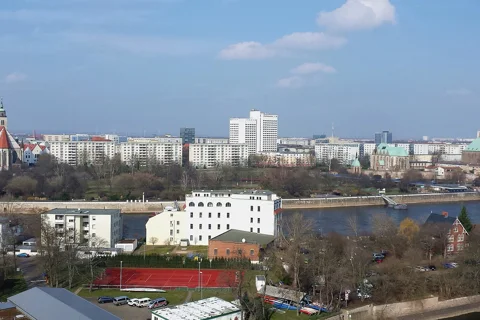
Magdeburg, Germany
Explore MagdeburgFormat and focus
- Weekender
- Teachers confirmed
Registration
Closed
Opinions
What dancers are saying
Real attendee feedback for this festival, including a separate score for registration and communications.
★
★
★
★
★
New
Be the first dancer to rate it.
5 stars
0
4 stars
0
3 stars
0
2 stars
0
1 stars
0
No public reviews yet. If you attended this edition, you can set the tone for the next dancers deciding whether this weekend is for them.
Festival editions
Viewing edition 2026
This edition has ended. Its dates and programme are preserved as history.